Different Types of Mining
- the-sovereign-miner
- Mining
- March 26, 2026
Table of Contents
Mining is a broad industry, and the work looks very different depending on what’s being extracted and where it sits in the ground. The type of operation shapes everything from the equipment on site to the roster you’ll work and the pay you’ll take home.
Here’s a list of all the different types:
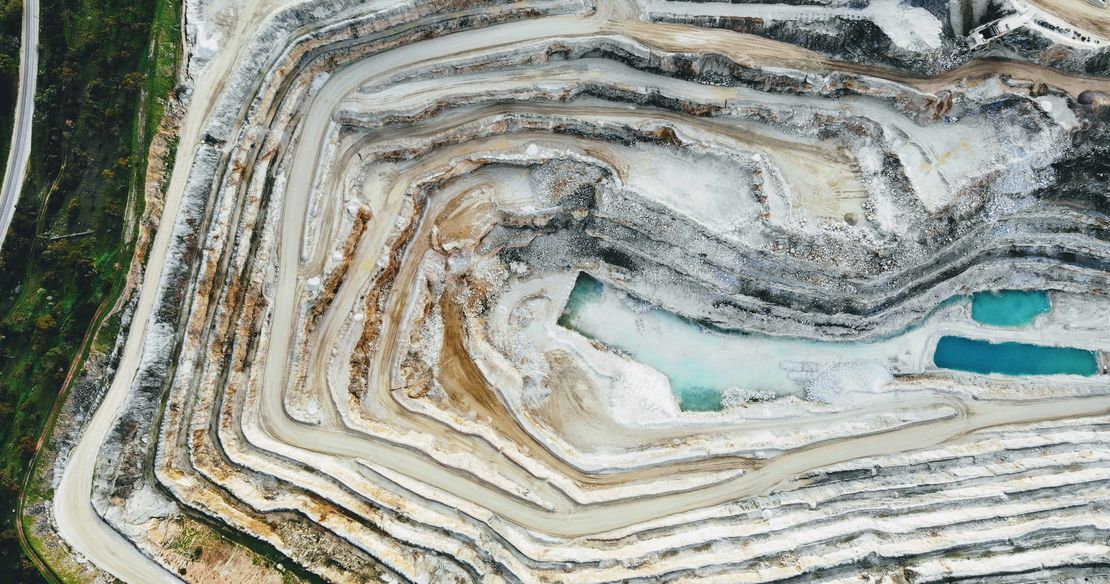
- Large terraced open pits dug progressively deeper
- Used when the resource is relatively close to the surface
- Highly mechanised and massive in scale
- Dominates in Western Australia - iron ore, bauxite, lithium
- A network of tunnels, shafts, and declines driven into the earth
- Used when the resource is deeper or the surface footprint needs to be minimised
- More complex, more labour-intensive, and generally better paid
- Common for gold, copper, nickel, and zinc
- Extracting minerals deposited in sand, riverbeds, or coastal areas
- Often used for alluvial gold or mineral sands
- Can involve floating equipment operating in water
- No digging required - chemicals are injected underground to dissolve the target mineral
- The solution is then pumped back to surface for processing
- Common for uranium mining in South Australia
- Technically surface mining but smaller scale and surface-focused
- Focused on construction materials - limestone, granite, gravel, sand
- Generally not FIFO - quarries tend to be near population centres
- Oil and gas extraction from beneath the ocean floor
- Massive infrastructure, relatively small workforce per installation
- Operates on similar FIFO principles but via helicopter to platform rather than charter flight to airstrip